
Girringun Rangers: Cultural knowledge driving biosecurity
Girringun Indigenous Rangers Biosecurity Program
In Cardwell, Queensland, the Girringun Rangers are a vital part of the Indigenous Ranger Biosecurity Program (IRBP), a national initiative that strengthens Australia’s early detection system for exotic pests and diseases. Their work combines cultural knowledge with modern biosecurity practices to protect Country and sustain Australia’s agricultural and environmental industries.
Girringun Rangers conduct biosecurity surveillance across remote and high-risk areas that are costly and difficult to access. Their deep cultural connection to Country and Traditional Knowledges allows them to identify subtle environmental changes, providing invaluable early detection and rapid response.
“This work keeps our Country strong and our communities connected,” said Girringun Ranger Talisha Mothe, proud Girramay Traditional Owner, one of the nine tribes that Girringun Aboriginal Corporation work for.
“We’re protecting the environment and supporting Australia’s economy, all while passing knowledge to the next generation.”
The IRBP operates under fee-for-service arrangements, enabling Indigenous Ranger groups to conduct biosecurity surveillance across remote and high-risk areas that are otherwise costly and difficult to access. This proactive approach prevents expensive eradication campaigns and economic losses, helping maintain Australia’s pest-free status and protecting trade and market access for the nation’s $94 billion agricultural industry.
The program is more than biosecurity—it’s about cultural continuity and community resilience. By managing land and sea Country, Girringun Rangers contribute to environmental, cultural, and economic sustainability in remote Australia. Their work supports thousands of residents in northern regions and forms part of a broader IRBP network of 71 Indigenous groups spanning Queensland to Western Australia.
The program creates employment and training opportunities, fosters cultural connections, and enhances the national biosecurity system. It is a significant contribution to the National Agreement on Closing the Gap, advancing targets in employment, economic development, culture, and languages through work that maintains connection to Country.
Through early detection and rapid response, Girringun Rangers along with other Indigenous ranger groups help prevent pest incursions that could devastate agriculture and biodiversity. Their efforts protect Australia’s trade reputation, environmental industries, and cultural heritage, while building skills and careers for Indigenous people in remote communities.
The Indigenous Ranger Biosecurity Program demonstrates how cultural knowledge and modern science can work together to safeguard Australia’s future. By investing in Indigenous-led solutions, the program strengthens biosecurity and supports Closing the Gap priorities.
Read more about the Indigenous Ranger Biosecurity Program here. Indigenous Ranger Biosecurity Program - DAFF
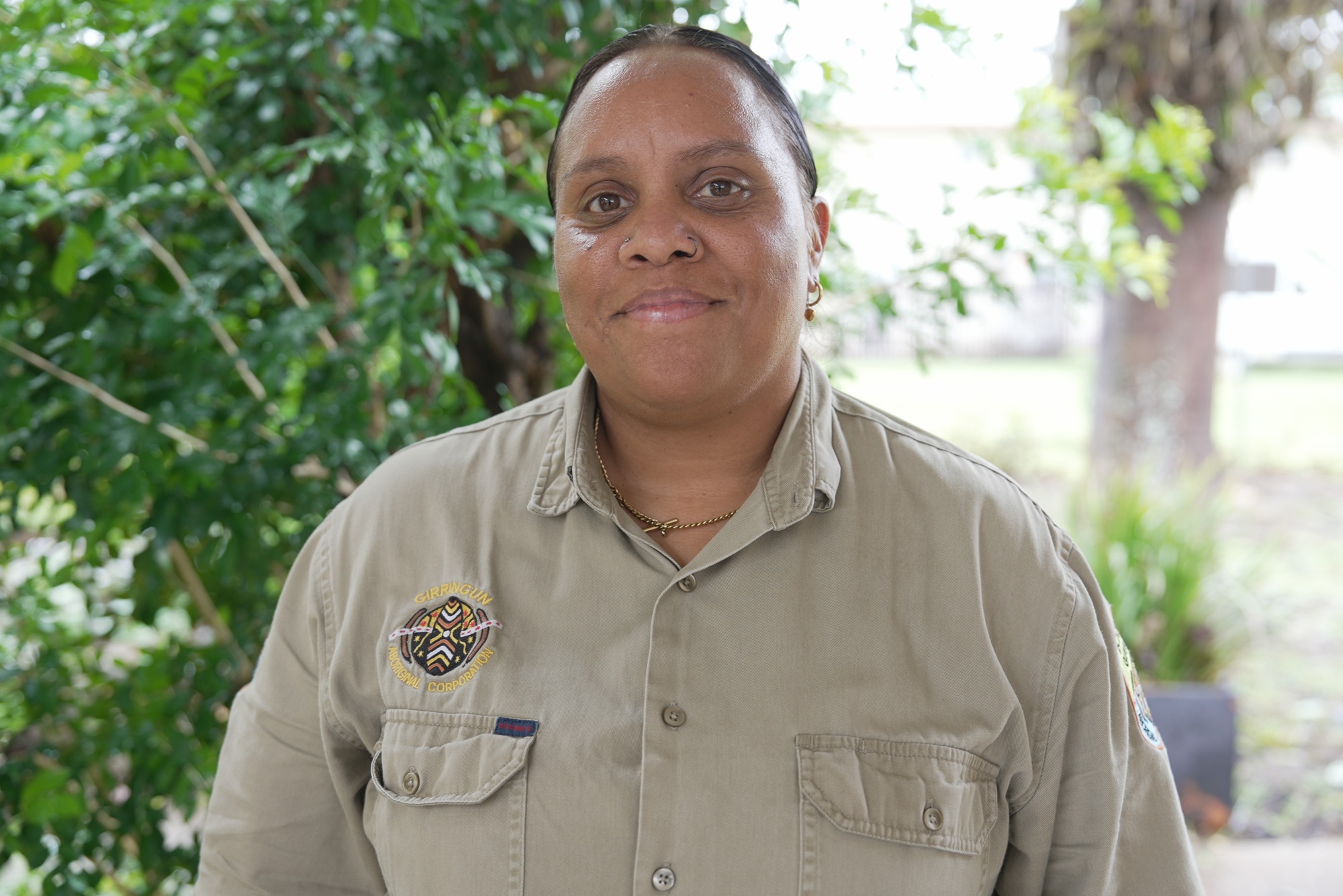
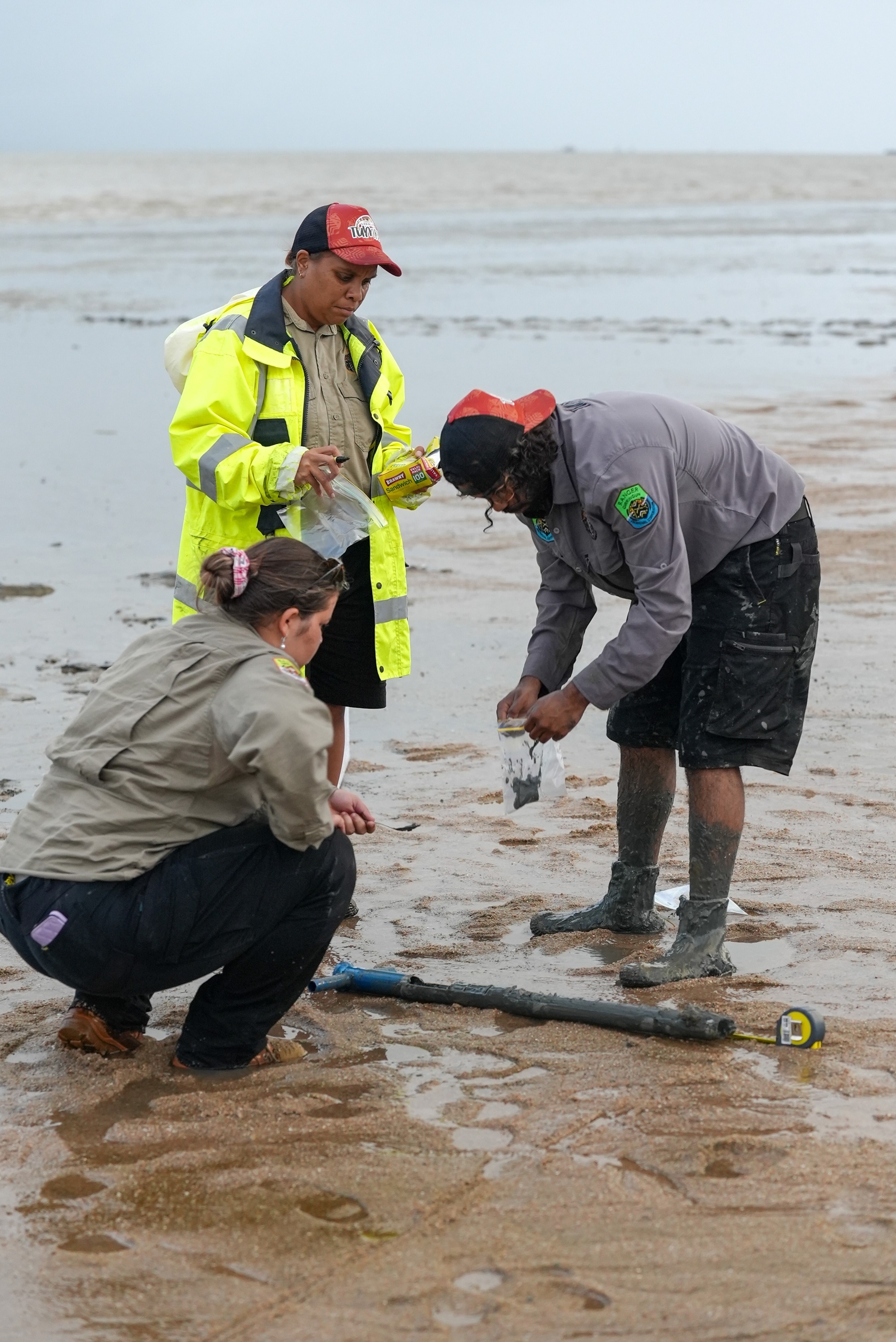
Photo: Girringun Ranger Talisha Mothe with Douglas Bulmer and Shantiashe Congoo working on Girramay Country (Cardwell, Queensland).