
Ngala’s Bush classrooms are teaching culture and supporting pathways for First Nations young people to school.
Overview
Community led and culturally appropriate approaches are essential for providing learning support and pathways that lead to better education outcomes for First Nations young people. The Education Engagement and Attainment Initiatives (EEAI) has been developed with community leadership and inclusion at the centre. The EEAI is an Australian Government program that provides funding to local organisations in locations across Australia, to support First Nations young people to improve their engagement and learning outcomes.
Ngala’s approach
In May 2025, the Carnarvon Community College initiated a partnership with Ngala Community Services, the EEAI provider, to design and implement an innovative Bush Classrooms program to support First Nations young people to engage with schooling.
The program is delivered in Carnarvon, Western Australia. It was developed through a shared commitment to strengthen cultural identity, create a sense of belonging, and improve First Nations young peoples’ engagement with schooling.
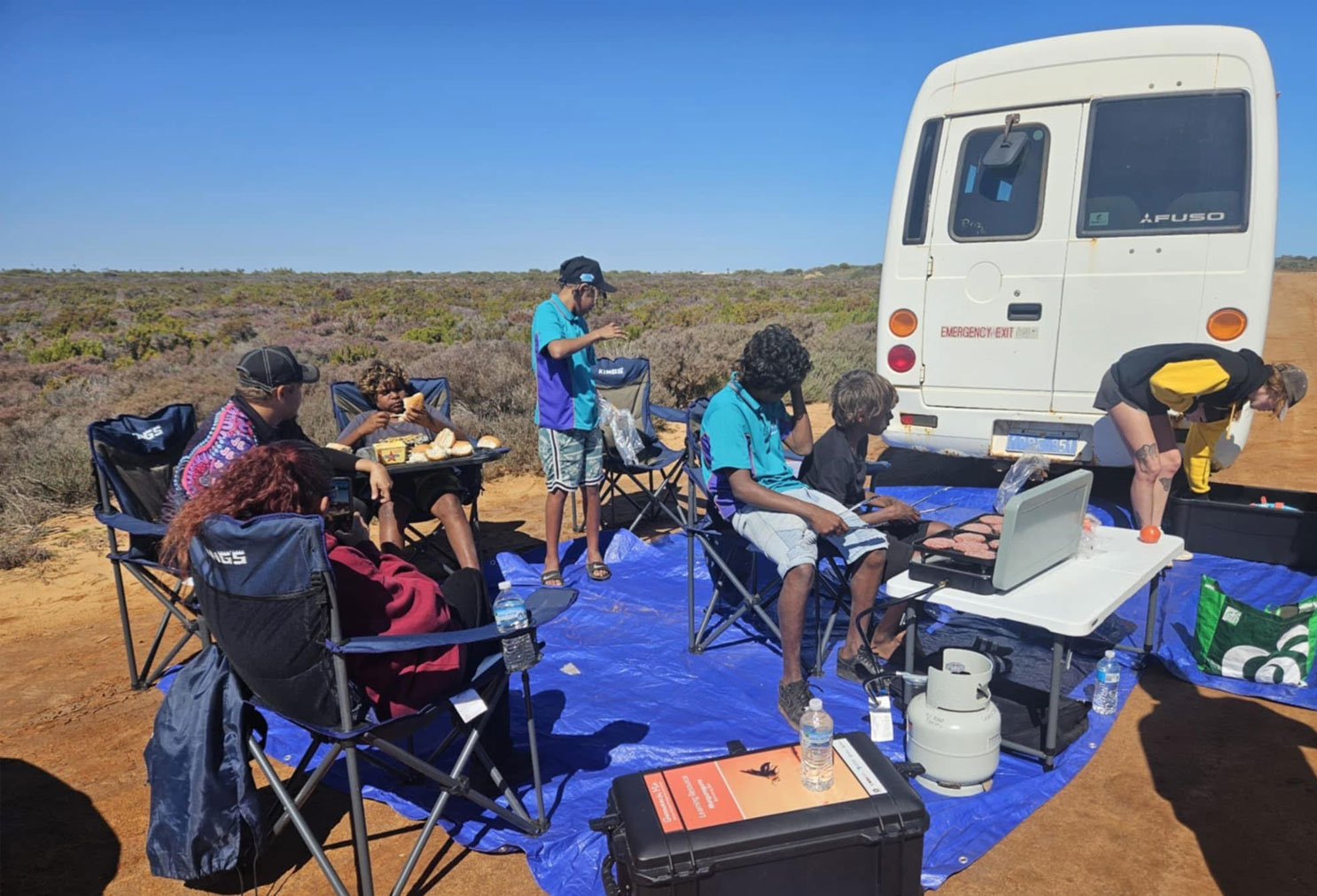
The Bush Classrooms began with the THRIVE Program at the College, which caters to approximately 30 students in Years 7–9 who require additional support to re-engage with learning. Through various weekly on-Country activities, now known as the Bush Classrooms, the students participate in hands-on, culturally grounded experiences.
On Country learning and cultural connection
The Bush Classrooms support First Nations young people to learn and thrive in their cultures and provide accessible, culturally appropriate learning pathways. The program seeks to improve students learning outcomes, both inside the school classrooms and on Country.
Parents of the students attending the Bush Classrooms have shared their positive feedback about the program, with one parent sharing:
"I’ve seen the students actively engage with the teacher at the Bush Classrooms, and they participated in discussions and storytelling while sitting out on Country with the Elders. The Bush Classrooms create a positive space for those students attending."
Community and family involved learning
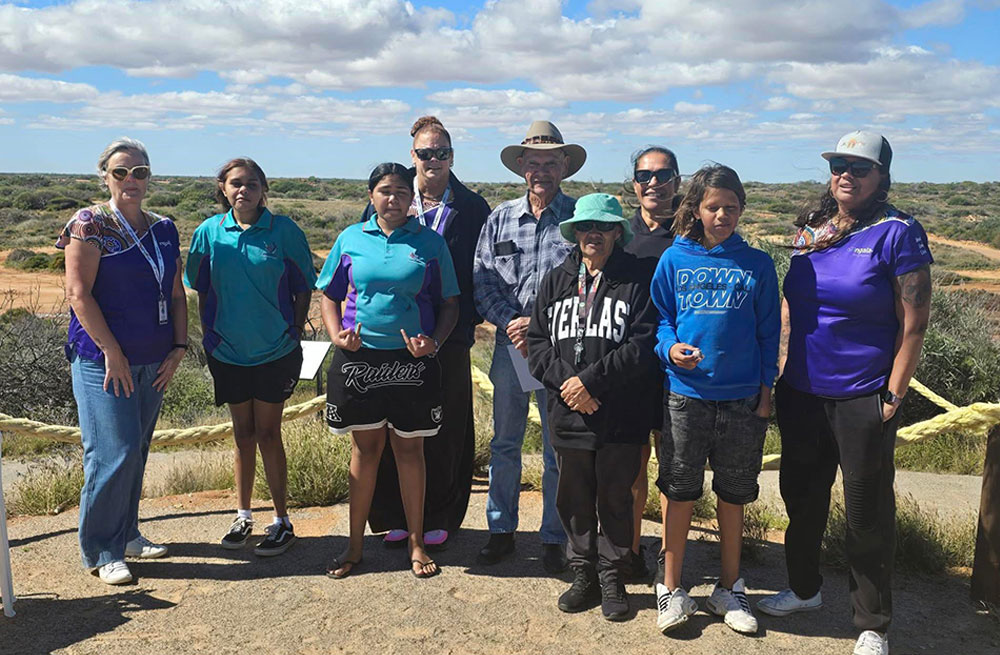
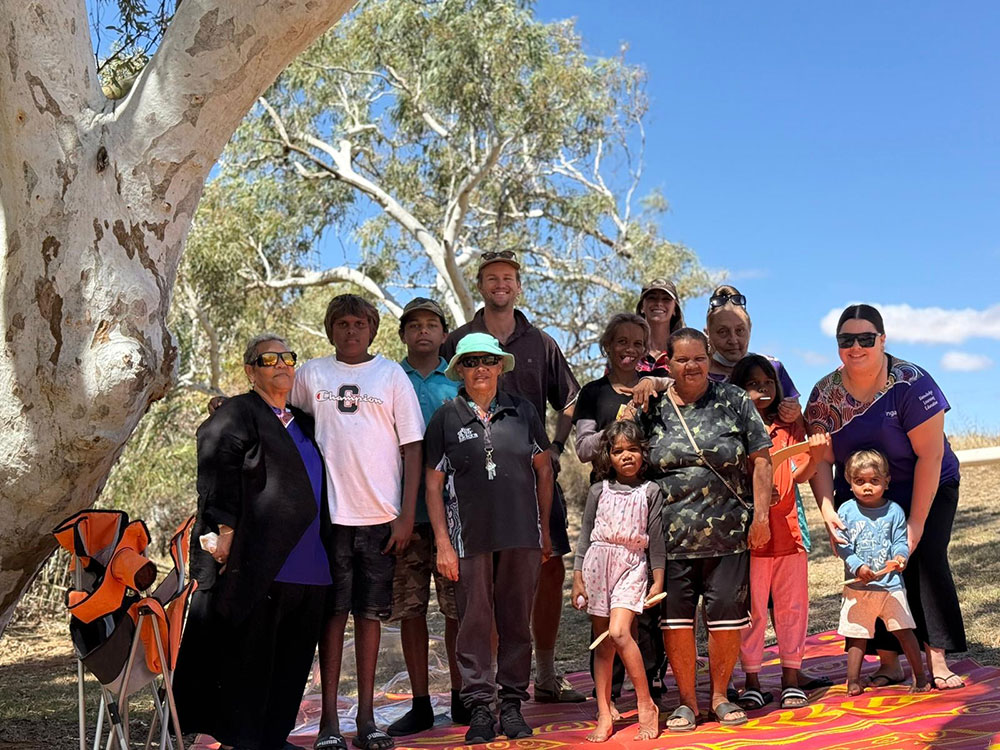
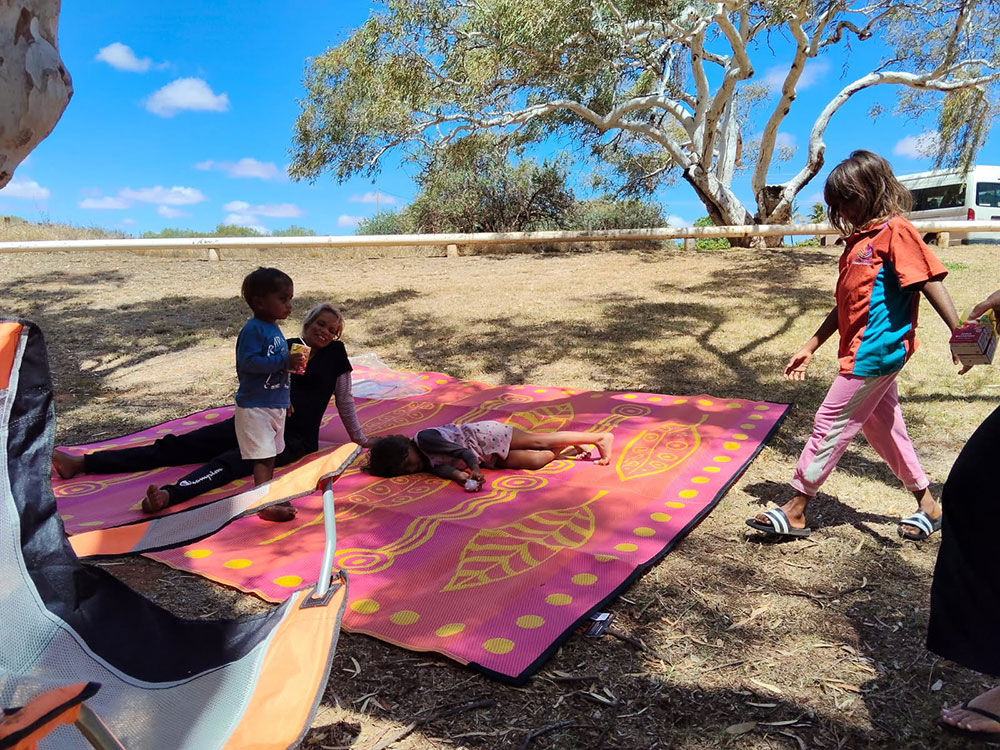
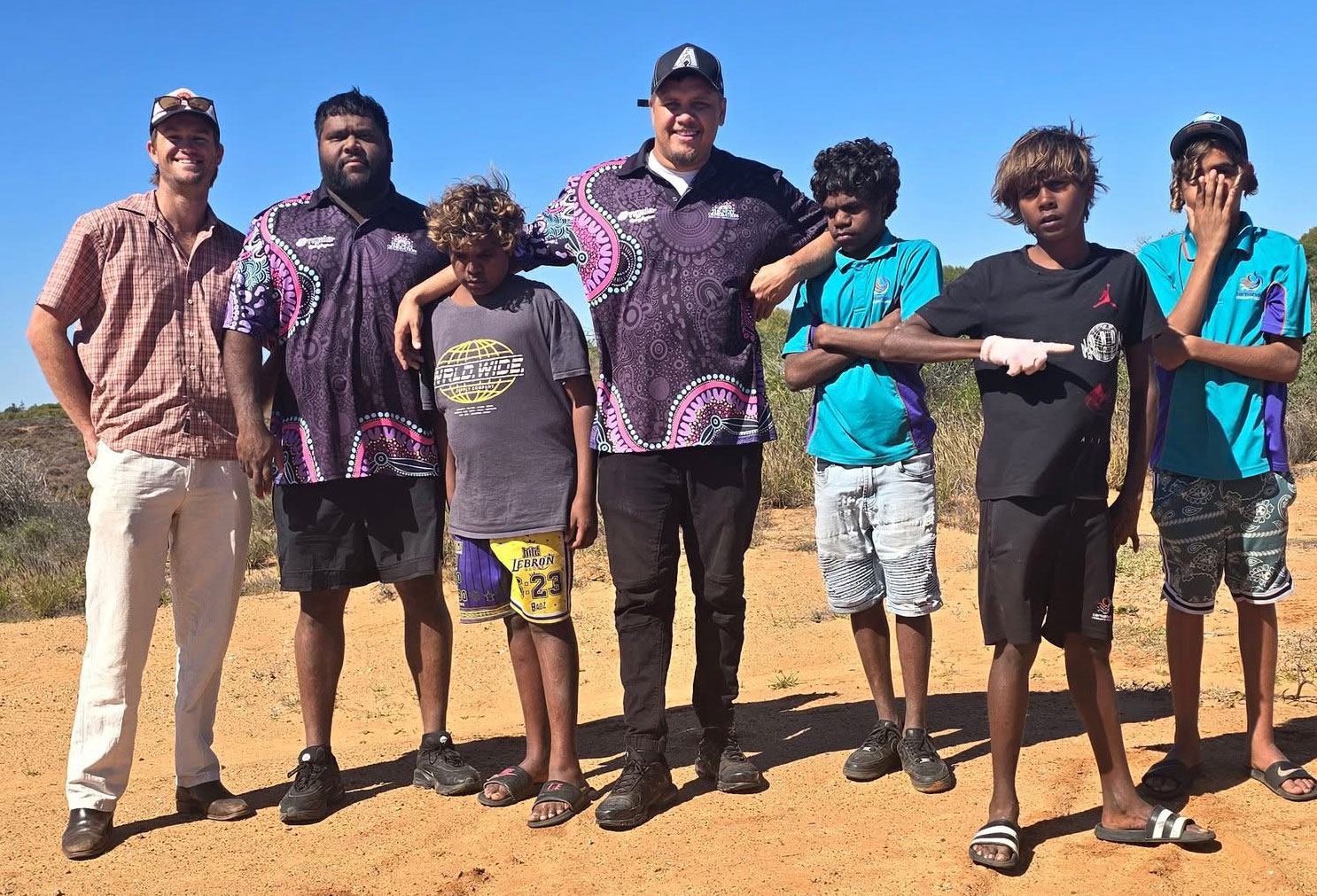
The Bush Classrooms activities provide a variety of learning and engagement opportunities for students and involve their families, local community members and Elders in the activities. Some of the Bush Classroom activities students participated in have included:
- Bibbawarra Bore Dreamtime Story shared by a local Yinggarda storyteller about the saltwater snake.
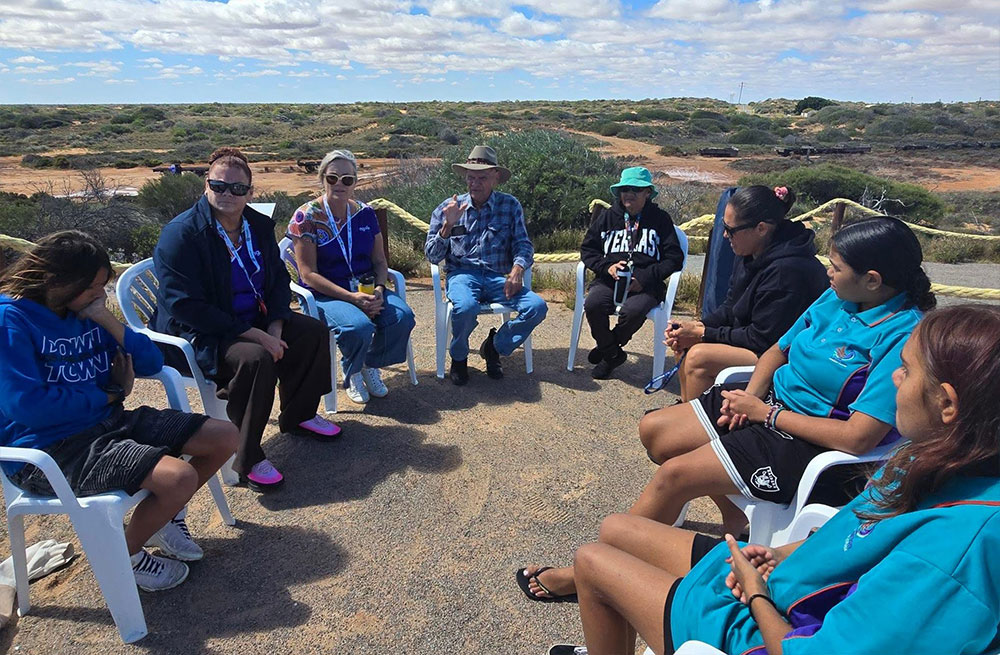
- Lock Hospitals History Yarning Circle shared by local Malgana and Yinggarda Elder. The team supported students to sit with the Elder at One Mile Jetty and shared important stories about the history of the Lock Hospitals on Bernier and Dorre Island. Students were encouraged to share their own history and cultural backgrounds, providing meaningful ways to connect, engage and deepen their understanding of local history, culture and surroundings.
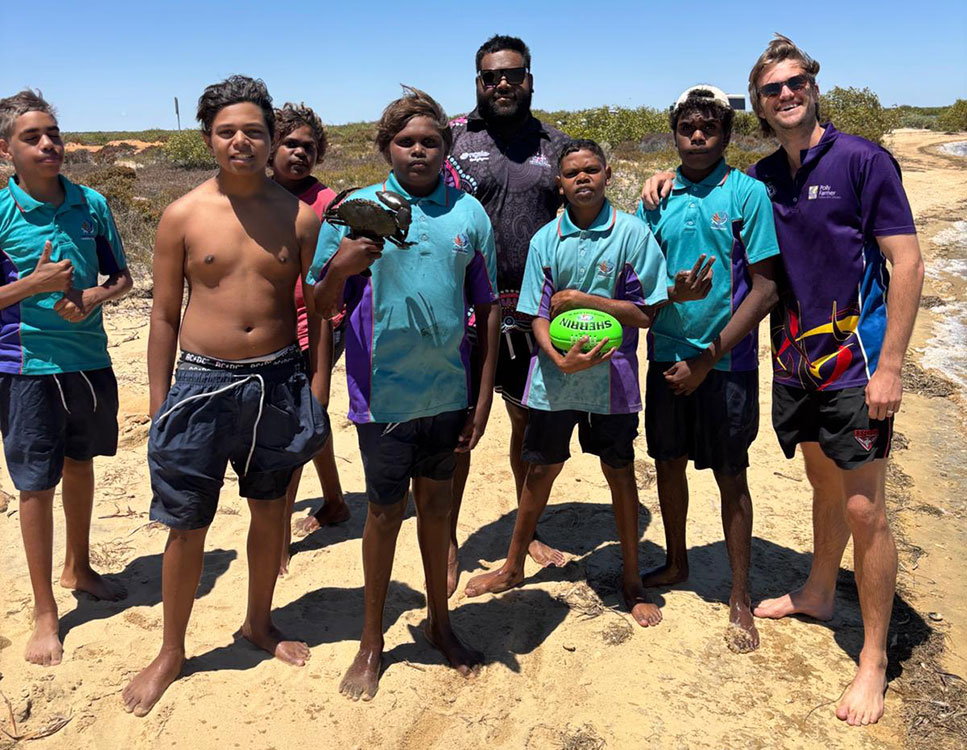
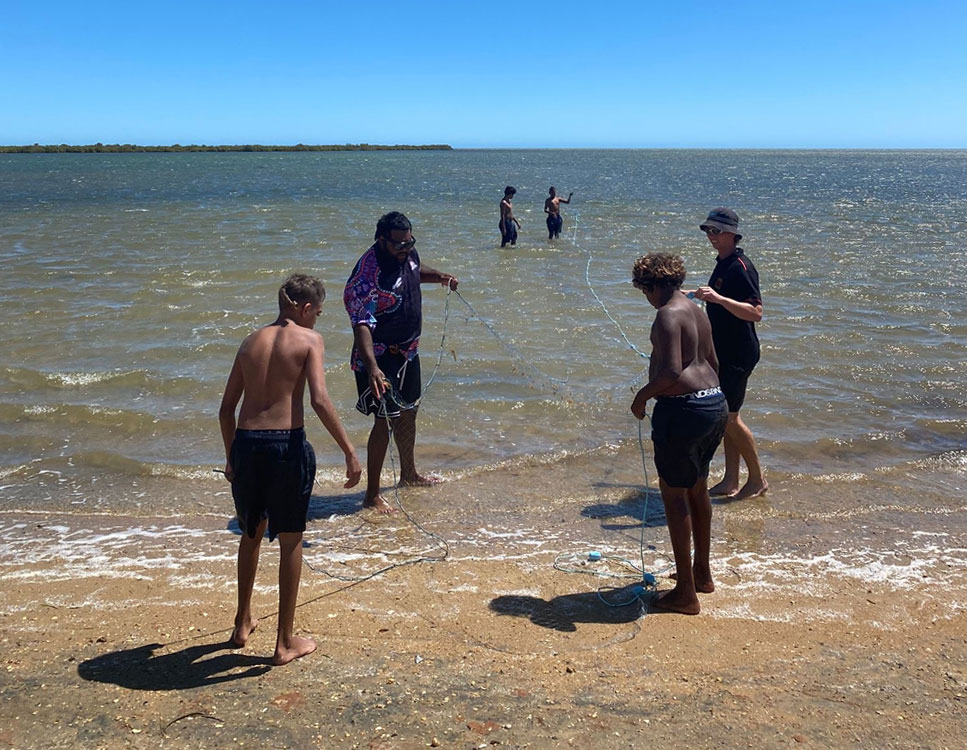
- Oyster Creek Fishing and Net Dragging. Students participated in a fishing and drag the net activity at Oyster Creek where they were able to see crabs, mullets and even a dugong. These activities are deeply connected to Country, kinship, identity, and traditional ecological knowledge, and increased students’ knowledge of traditional techniques.
- Rotary Park River Stories and Yarning Circles. Students and families participated in this activity together. This activity enabled all participants to reconnect with land, water and cultural stories in turn, reinforcing pride in culture and increasing intergenerational knowledge.
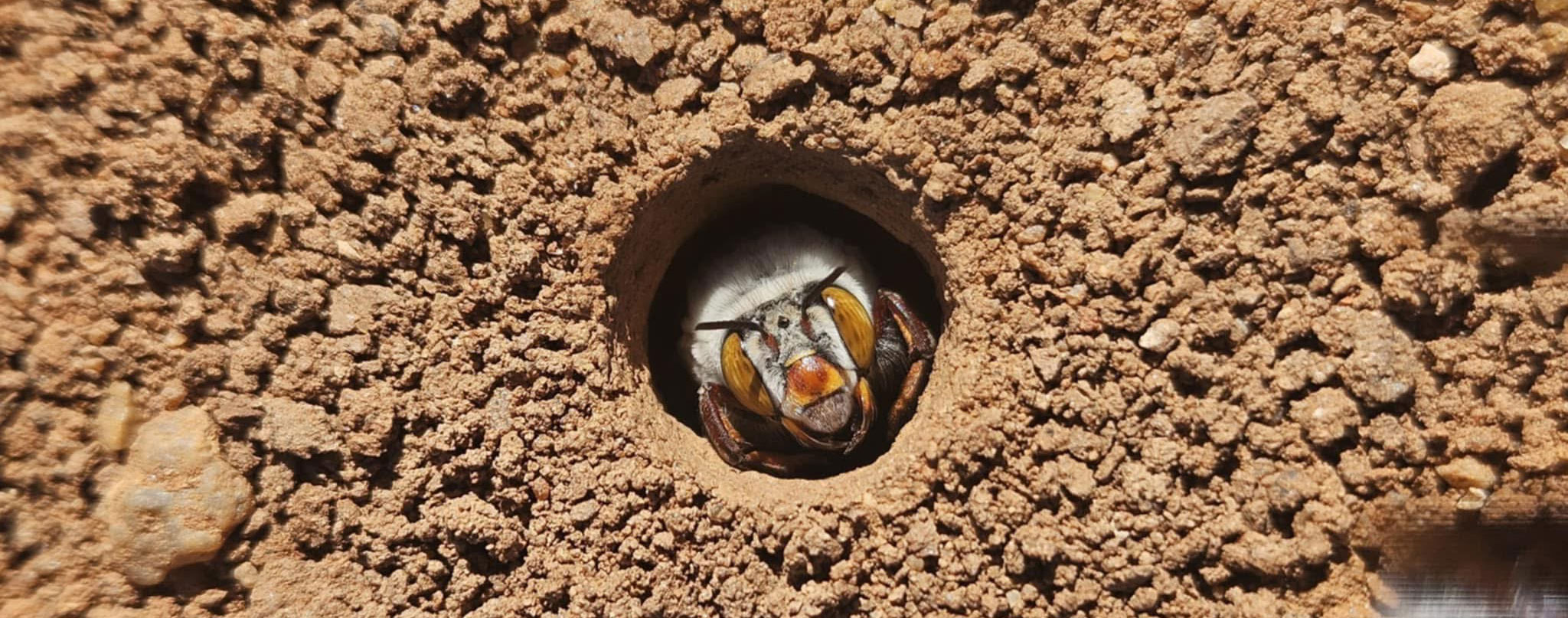
- Burrowing Bee Cultural Tour. Students were able to learn about the Dawsons’s bees known as Mungurragurrra, local to the Gascoyne region, from a local Aboriginal community member known as the “Bee Lady”.
Strengths based education approaches
The Bush Classrooms are supporting students to connect with their culture and community and to build positive relationships with their learning. Both parents and students enjoy the variety of learning activities.
“The bush classroom session at Rotary Park was enjoyed by all who attended. The staff, parents & students, all had stories to tell, and everyone was engaged in the discussions about the Gascoyne River. The students cooked the lunch and served everyone the food,” shared a parent.
"I enjoyed learning about the Bernie & Dorre Islands bush classroom lesson. The best thing was that people from outside of Carnarvon shared where they were from, connections were made and discussions of other lands and languages were started by the youth," said a parent.
“I was happy being outdoors learning how to drag the net to catch a feed,” shared a student.
“The bush classrooms are fun, and the swimming was good. I went in the marsh to look for a mud crab,” said a student.
Parents have shared significant positive reflections of the experiences of the students attending the Bush Classrooms, particularly the Burrowing Bee Cultural Tour.
"It was really good to see the kids so engaged in the Burrowing Bees lesson at the Bush Classrooms. They were just as captivated by the local Aboriginal cultural story as they were by the burrowing bees themselves."
"Seeing them connect the bees' lifespan to the history of the land made the whole experience much more than just a science lesson - it was a lesson in belonging and respect."
“When we did the burrowing bees, it was good. We learnt that all the boy bees fight over one girl bee, and when she has babies, she dies. The bees live for 4 months.”
Conclusion
There has been strong positive feedback from teachers and students. Through their participation in the Bush Classrooms, students have shown improved cultural connections and understanding, increased confidence, and improved school engagement. Students’ attendance in the THRIVE classroom increased from 11.5 per cent in Semester 2, 2024 to 42.6 per cent in Semester 1, 2025.
The program is on track to achieving the long-term goal of supporting successful transitions back into mainstream school classes, ensuring students can thrive both academically and personally.
“Special getting out there with a good crew of kids to have a feed, explore and yarn. Appreciate the partnership we have with Ngala and all the hard work that everyone puts in to make these opportunities happen for our kids,” shared a THRIVE classroom teacher.