
Community-led support is improving First Nations young people’s engagement in education
Overview
Community led and culturally appropriate approaches are essential for providing learning support and pathways that lead to better education outcomes for First Nations young people. The Education Engagement and Attainment Initiatives (EEAI) has been developed with community leadership and inclusion at the centre. The EEAI is an Australian Government program that provides funding to local organisations in locations across Australia, to support First Nations young people to improve their engagement and learning outcomes.
TIYC’s approach
Under the program, the staff from Thamarrurr Indigenous Youth Corporation (TIYC) in Wadeye and surrounding outstations in the Northern Territory, are working closely with First Nations families and Elders and the local school, to build culturally grounded pathways that help young people to stay connected to their learning.
Philip Crocombe (PJ), is the Program Coordinator and Director of TIYC and shares the importance of their support programs for First Nations young people:
"Education is a door that opens so many other doors you wouldn’t even know about. It gives you choices. Our team work with the school on how we can try get more kids in school," says PJ.
Cultural leadership, trust and relational support
At the centre of TIYC’s approach is a focus on building trust, respecting cultural knowledge, and providing consistent support.
The TIYC staff hold strong cultural knowledge grounded in relationships, kinship systems, and community responsibilities, which makes them trusted adults in the lives of the young people they work with and their families. They share an understanding that programs for young people work best when they are designed with them.
PJ shares, “Sit with them, talk to them, but more importantly listen to them.”
"What they have to say is valid. Their experiences are real lived experiences."
Making Learning Relevant Through Culturally Grounded Activities
The activities TIYC offers young people are shaped around their interests, strengths and goals, make sure that engagement feels meaningful and respectful. They focus on building cultural identity, time on Country and local community priorities, as part of the learning activities. Through meeting the needs of young people, the programs aim to strengthen their wellbeing and makes learning accessible and enjoyable.
Some of the activities offered to young people include trips to the bush, hunting and foraging, team sports, and family-based activities.
Maree from TIYC shares a favourite activity for the young people they work with.
“Bush trips… anything out bush they enjoy, and it’s a different type of learning.”
The EEAI recognises the importance of including families and communities in engagement activities and planning. TIYC supports families by providing practical help, connecting them with other services, and helping them understand their choices and rights.
"Help understanding they have choices... decisions about their health, children and their futures," says PJ.
Listening and empowering voices
Some of the TIYC staff members share the important and culturally appropriate approaches they take that help young people to feel safe, listened to and receive the support they need to improve their engagement with their learning.
“The best way to make things happen is to just go and sit down with Elders and the family before you try and do anything with young people,” shares TIYC staff member KK.
When needed, TIYC staff offer to engage with young people in their homes, taking learning materials to them, to build confidence in familiar environments and make learning accessible.
Raph from TIYC shares how the trust of youth and their communities is built and sustained through daily, culturally appropriate actions and consistency of staff.
"Picking up the kids every day, talk in language, link the kids with a staff member through relationship or family."
Conclusion
By working with families to remove the barriers to engagement with young people’s learning, TIYC are helping to improve access to education and building positive relationships between young people and learning. TIYC’s approach supports young people across their experiences of ‘walking in two worlds,’ both Western (non-Indigenous) and cultural (Indigenous).
Through TIYC’s programs, more young people are accessing learning pathways and youth programs, engagement with school is improving, more families are accessing support services and there are stronger relationships between families, schools, and the wider community.
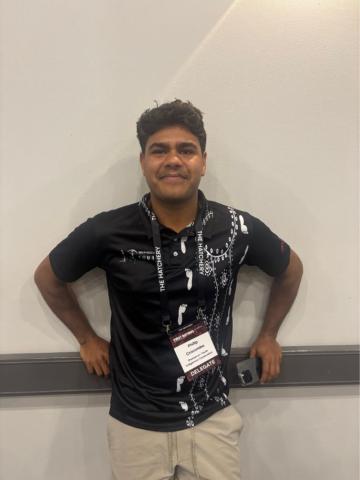
Photo courtesy of Thamarrurr Indigenous Youth Corporation. Philip Crocombe, Program Coordinator.