The NIAA is committed to building and sustaining formal partnerships with Aboriginal and Torres Strait Islander communities, ensuring shared decision-making is embedded in how policies and programs are designed, delivered, and evaluated. These partnerships are grounded in mutual respect, transparency, and accountability. The commitments below reflect the NIAA’s contribution to Priority Reform 1, aligned with the actions and change levers set out in the Priority Reforms Roadmap.
Deliverable
Long-term partnerships with up to five Aboriginal and Torres Strait Islander organisations to deliver community data and digital capability projects, including through short-term secondments and placements.
Timeline in month/years
1st quarter 2027 - completion (4years) 2030.
Responsibility - NIAA Group
Grants & Finance Group.
RAP Pillar
Opportunities & Relationships.
Measure of Success
By 2029, the NIAA has established and maintained up to five long-term partnerships with Aboriginal and Torres Strait Islander organisations to support community data and digital capability.
These partnerships demonstrate shared decision-making through co-designed project scopes, agreed governance arrangements, and opportunities for skills transfer (including secondments or placements).
Partner feedback indicates increased capability and stronger mutual understanding over the life of the partnerships.
Deliverable
Embed First Nations engagement resources and best‑practice guidance into the NIAA’s staff induction and training.
Timeline in month/years
3rd quarter 2026 - ongoing.
Responsibility - NIAA Group
Operations & Delivery Portfolio.
RAP Pillar
Relationships.
Measure of Success
Success means a user-friendly suite of First Nations engagement resources for NIAA that integrates existing tools and recognised external guidance, including the APS First Nations Partnership Playbook and the Charter of Partnerships and Engagement. These resources will support place-based engagement, contribute to building sustained and respectful relationships, and be embedded in induction, training and day-to-day practice.
Deliverable
Implement a Closing the Gap Place-Based Partnerships Community of Practice to establish a joined-up approach between government and Aboriginal and Torres Strait Islander representatives. [source: Commonwealth 2026 Implementation Plan Commitments]
Timeline in month/years
4th quarter 2026 – ongoing.
Responsibility - NIAA Group
Operations & Delivery Portfolio.
RAP Pillar
Relationships.
Measure of Success
Success means strong, ongoing engagement between governments and Aboriginal and Torres Strait Islander representatives, where members openly exchange priorities, insights and opportunities, share challenges and receive constructive peer support, foster continuous learning through shared tools and collaboration, and are supported by a well maintained, accessible knowledge repository.
Case Studies
Empowering the Ngaanyatjarra Pitjantjatjara Yankunytjatjara (NPY) communities by placing First Nations voices at the centre
Priority Reform 1: Shared Decision‑Making through Anangu‑Led Regional Governance
The Tri‑State Empowered Communities (EC) region demonstrates reconciliation in practice by centring Anangu leadership in priority‑setting across the Ngaanyatjarra Pitjantjatjara Yankunytjatjara (NPY) region, which spans South Australia, Western Australia and the Northern Territory. Through Empowered Communities, Anangu communities work in genuine partnership with governments to shape priorities, influence investment decisions and strengthen cultural, social and economic outcomes.
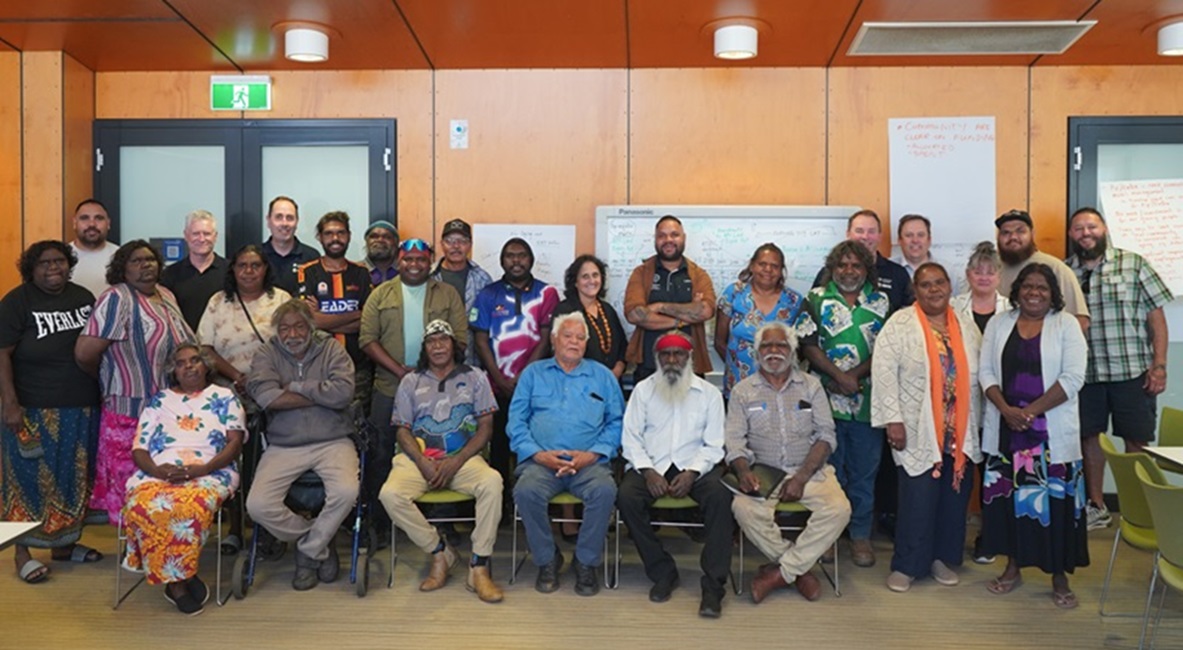
At the centre of this partnership is Kulintja Kutju, an Anangu‑led regional governance group of senior and emerging leaders. Kulintja Kutju provides culturally grounded leadership and advice, ensuring Anangu voices directly inform priorities, investment and service delivery across jurisdictions. This approach recognises cultural authority, values lived experience and places First Nations decision‑making at the heart of government processes.
Key achievements of the Kulintja Kutju Empowered Communities approach in the Tri‑State region include the Emerging Leaders Program and the Transition Support Initiative, which support youth leadership, pathways and long‑term community capability. Mrs. Smith, Chairperson NPYWC, and Tanya Luckey, Co-chair Kulintja Kutju reflected on the significance of this change for his community:
“We are creating a space for Anangu and Yarnangu to come together as one, collective voice - kulintja kutju - to speak about Anangu and Yarnangu priorities, and send a message to government to listen and act. We are changing the way community and government work together for a better future. Palyau!”
This work reflects NIAA’s commitments under its Reconciliation Action Plan to build strong relationships, demonstrate respect for Aboriginal and Torres Strait Islander cultures and knowledge systems, and support self‑determination. It also strengthens internal capability by deepening cross‑cultural understanding and reinforcing best‑practice approaches to partnering with First Nations communities.
By strengthening how governments listen, learn and respond to Anangu leadership, the Tri‑State Empowered Communities region demonstrates how reconciliation commitments can be translated into meaningful action — delivering more coordinated, culturally grounded and sustainable outcomes now and into the future.
Partnership through co-design
Advancing Priority Reform 1 in Social Policy
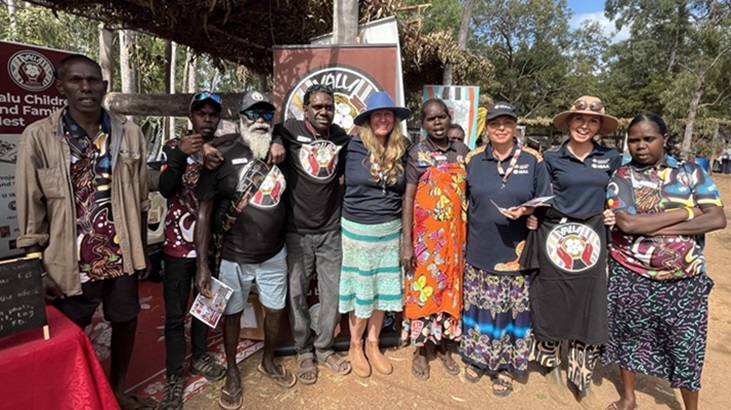
The Social Policy Group demonstrates reconciliation in practice through the co-design approach embedded in the Indigenous Youth Connection to Culture (IYCC) program. From the outset, Aboriginal and Torres Strait Islander youth, Elders and cultural leaders were engaged as partners to shape community-led plans that guide program delivery.
Through this approach, communities identified priorities, stakeholders and activities that reflect local cultural contexts, traditions and youth needs. Despite challenges such as COVID19 restrictions, Sorry Business and seasonal weather, participating communities ensured youth and Elders remained central to decision-making. This commitment to co-design supports self-determination and demonstrates Priority Reform 1 through genuine, respectful and sustained partnership.
Aboriginal-led partnership in practice
Applying Priority Reform 1 in Central Australia
The Central Australia Region is demonstrating reconciliation through its work and partnership with the Central Australia Plan (CAP) Aboriginal Leadership Group (ALG), which provides strategic advice to the Australian Government on the delivery of the plan for A Better, Safer Future for Central Australia.
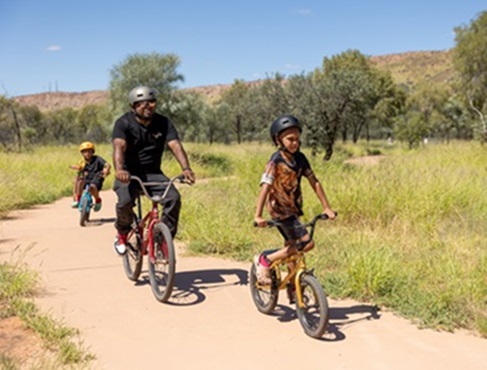
The CAP focuses on practical improvements across community safety, youth engagement, health, families, jobs and on Country learning. The role of the ALG helps ensures First Nations people from across the region have a genuine opportunity to provide advice to government on how the CAP is delivered, and that decisions reflect community priorities, are culturally grounded, and focused on long term outcomes.
The Central Australia Region supports this partnership through respectful engagement, transparency and collaboration, enabling Aboriginal leadership to meaningfully inform government processes and decisions. This work reflects the NIAA’s commitment under its RAP to work in genuine partnership, strengthen relationships built on trust, and support self-determination. Engagement with the ALG also strengthens internal capability by building staff engagement skills, improving cross-cultural understanding, and reinforcing best practice approaches to working with First Nations peoples and communities.
This partnership demonstrates reconciliation in practice by putting First Nations leadership at the centre of how government listens, learns and responds. Together, the NIAA and the ALG show how local partnerships can bring national commitments to life, contributing to more coordinated, culturally grounded and effective outcomes for Central Australia now and into the future. Through this partnership, reconciliation is embedded into everyday work by placing First Nations leadership at the centre of how government listens, learns and responds in Central Australia.