The NIAA is working to transform how government operates by embedding cultural capability, accountability, and inclusive practices across our systems, policies, and workforce. This includes creating culturally safe environments and ensuring our work reflects the voices and aspirations of First Nations peoples. The commitments below reflect the NIAA’s contribution to actions under Priority Reform 3, as outlined in the Priority Reforms Roadmap.
Deliverable
Establish a Collaboration Circle, based on the Australian Public Service Commission (APSC) Chief Operating Officers model to embed First Nations perspectives in the Agency’s governance and decision making processing.
Timeline in month/years
4th quarter 2026 - ongoing.
Responsibility - NIAA Group/Branch
Corporate Group.
RAP Pillar
Relationships.
Measure of Success
The Collaboration Circle will be successful when shared decision‑making between NIAA Executive and First Nations staff results in demonstrable, system‑level improvements in the design, coordination and effectiveness of Agency-wide initiatives, with clear evidence that First Nations perspectives have directly influenced decisions and actions taken by the NIAA.
Deliverable
Share best practices for strengthening the capability of APS employees to work effectively in cross-cultural contexts, including by continuing to promote the NIAA Footprints Framework and other available resources.
Timeline in month/years
2nd quarter 2026 - ongoing
Responsibility - NIAA Group/Branch
Corporate Group
RAP Pillar
Relationships & Respect
Measure of Success
Success means the NIAA influences broader APS outcomes by strengthening employee capability to work confidently and respectfully in cross cultural contexts. This is supported by shared best practices, broader adoption of the NIAA Footprints Framework and enhanced ability to deliver culturally safe and inclusive services in partnership with First Nations peoples.
Deliverable
Work with the APSC and the APS Indigenous Champions Network (ICN) to build Reconciliation Measures into Senior Leaders Performance Agreements and the APS census.
Timeline in month/years
4th quarter 2026 - ongoing.
Responsibility - NIAA Group/Branch
Corporate Group
RAP Pillar
Relationships & Respect
Measure of Success
Success means APS‑wide reconciliation metrics are embedded into core APS accountability mechanisms — with agreed measures incorporated into Senior Leaders’ performance agreements and the APS Census, increasing transparency, leadership accountability, and sustained progress against Closing the Gap and APS Reform priorities.
Deliverable
Establish and maintain safe reporting pathways that enable staff to raise concerns about agency processes, policies or initiatives that may cultivate racism, with clear governance for review and response.
Timeline in month/years
3rd quarter 2026 - ongoing
Responsibility - NIAA Group/Branch
Corporate Group
RAP Pillar
Respect
Measure of Success
Success looks like APS staff having a safe, trusted and accessible mechanism to report agency processes, policies or initiatives they believe cultivate racism, with reports leading to transparent review, meaningful action, and continuous improvement of APS systems and practices.
Case Studies
Embedding cultural capability through Footprints
Transforming Government Organisations under Priority Reform 3
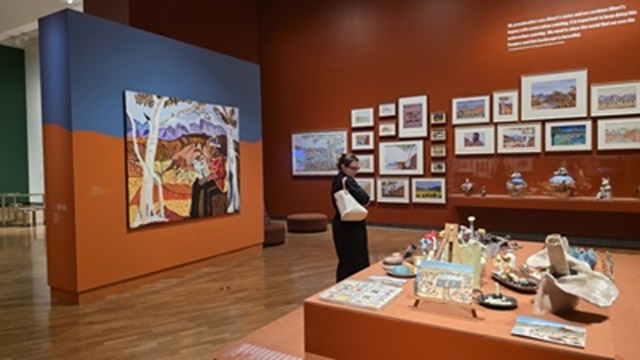
As the lead national agency for Aboriginal and Torres Strait Islander peoples, cultural capability is embedded as a core part of how the Agency works. Through Footprints, the NIAA’s cross-cultural learning framework, staff across the Agency are supported to build and apply understanding of all cultures in their everyday work. This includes an understanding of Aboriginal and Torres Strait Islander peoples, cultures, histories and perspectives.
The Footprints Framework is embedded across the NIAA’s ongoing learning, performance and workforce practices, reinforcing the expectation that cultural capability is essential to effective policy, program delivery and stewardship. Building cross-cultural capability is not treated as a one-off activity, but as an ongoing everyday practice that supports reflective learning and respectful engagement.
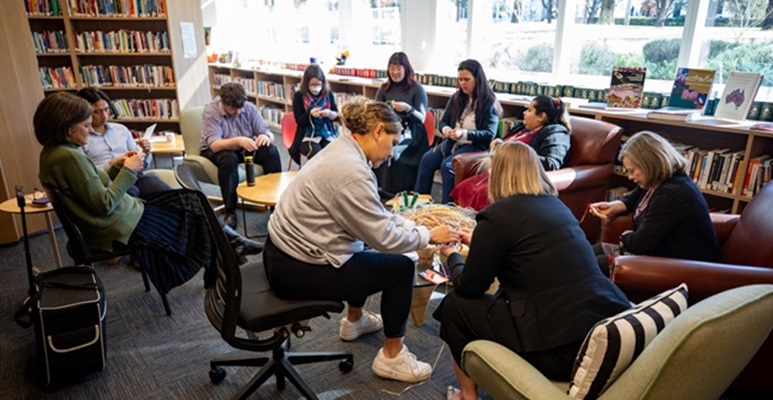
Teams and individuals across the Agency regularly participate in Footprints activities that create space for open conversation and shared learning. These activities are led by staff at all levels, fostering inclusive engagement and non-hierarchical learning. This approach supports a culturally safe workplace and enables staff to confidently apply cultural understanding to decision-making across roles and functions.
By embedding Footprints as business-as usual, the NIAA strengthens its role as a model employer and trusted partner. The framework supports reconciliation by addressing bias, strengthening relationships, and building the cross-cultural foundations required for the system-level change envisaged under the National Agreement on Closing the Gap.
Strengthening trauma-informed systems and leadership
Advancing Priority Reform 3 through business-as-usual practice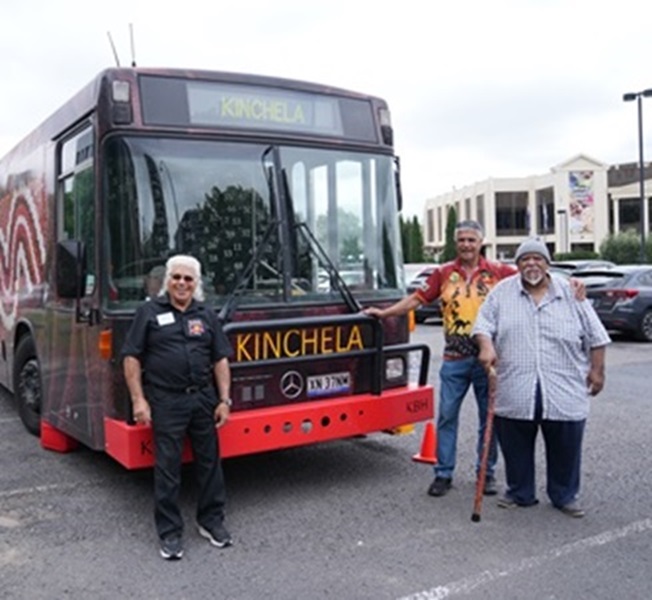
The Land and Native Title Branch and the Territories Stolen Generations Redress Scheme (TSGRS) Branch embed trauma-informed practice into day-to-day work to strengthen culturally safe systems, leadership and decision making in line with Priority Reform 3.
Staff have participated in facilitated vicarious trauma and healing workshops to reflect on the impacts of their work and strengthen awareness of the communities and stakeholders with which they engage. The workshops support staff wellbeing and reinforce culturally safe, trauma informed approaches within existing systems and processes.
As part of the TSGRS, more than 130 senior executives (SES Band 1 and above, or equivalent) are delivering survivor focused, survivor-led and trauma-informed Personal Acknowledgements to eligible Stolen Generations survivors. Through listening to survivors’ stories and formally acknowledging harm, senior leaders deepen their understanding of the ongoing impacts of past government policies and apply these learnings to policy development, service delivery and leadership practice, supporting lasting systemic change.