National Agreement on Closing the Gap
The National Agreement on Closing the Gap (the National Agreement) was developed in genuine partnership between Australian Governments and Aboriginal and Torres Strait Islander peak organisations (represented by the Coalition of Peaks).
The National Agreement sets out Closing the Gap Priority Reforms and ambitious targets that are changing the way governments work to improve life outcomes experienced by Indigenous Australians.
The Government is committed to working in partnership with Indigenous Australians, recognising that the only way to close the gap is when Indigenous Australians own, commit to and drive the outcomes sought, alongside all governments.
The National Agreement provides for shared accountability and the ability to demonstrate progress more than before.
For the first time, the Commonwealth, states and territories, local government and the Coalition of Peaks are jointly accountable for the outcomes and targets under the National Agreement.
The Joint Council on Closing the Gap has an ongoing role in monitoring progress by all Parties in delivering on the commitments in the National Agreement.
Implementing the National Agreement
The National Agreement commits all Parties to action. Its success depends on all Parties committing the right resources and efforts to deliver on these actions in practice.
All Parties to the National Agreement have developed individual Implementation Plans and report annually on their progress on the actions in their plans.
Implementation Plans set out how policies and programs are aligned to the National Agreement and what actions will be taken to achieve the Priority Reforms and socio-economic outcomes. They also include information on funding and timeframes for actions.
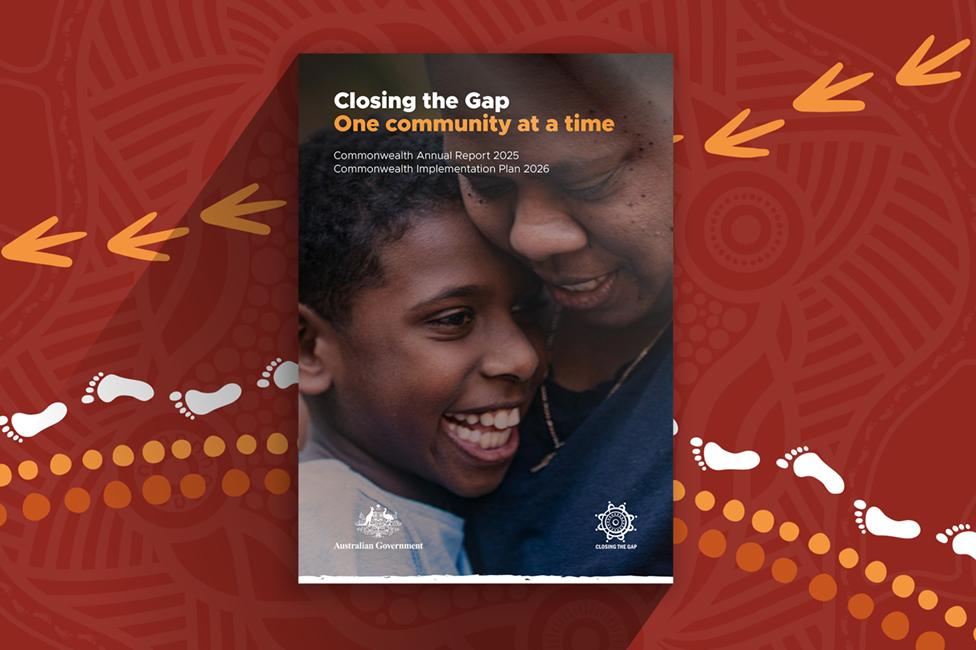
Commonwealth Closing the Gap 2025 Annual Report and 2026 Implementation Plan
The Prime Minister delivered the Commonwealth Closing the Gap 2025 Annual Report and 2026 Implementation Plan on 12 February 2026.
The Report highlights the Commonwealth’s delivery over the last year and outlines the Commonwealth’s priorities over the next 12 months to contribute to achieving the goals of the National Agreement on Closing the Gap.
The 2025 Annual Report and 2026 Implementation Plan is supported by the 2025 Implementation Plan actions status table and 2026 Implementation Plan actions table, which outline progress and commitments.
Download the Commonwealth Closing the Gap 2025 Annual Report and 2026 Implementation Plan
The Report includes case studies on outstanding programs, services and initiatives. Read more about each case story below.

Building a strong First Nations health workforce
A national program designed to increase the number of First Nations people in the health workforce is seeing success in employment outcomes and the delivery of culturally appropriate health care.

Affordable essentials supporting good health in remote communities
Remote stores deliver crucial supplies to remote communities across Australia, and now a new Government Scheme is ensuring that essentials are available at reasonable prices.
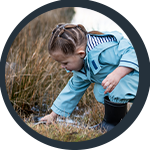
Aboriginal community-led change in Kutalayna
In the Kutalayna/Jordan River region of Lutruwita/Tasmania, the Connected Beginnings program is reshaping early childhood outcomes through Aboriginal-led systems change.
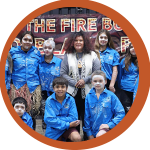
Learning on Country with Gudjaga-Laali Junior Rangers
In the Shoalhaven region of NSW, the Gudjaga Laali Junior Rangers program is helping Year 6 First Nations students reconnect with culture and Country while building confidence and leadership skills.

Building women's confidence through digital skills
Indigenous owned creative and content agency Lola Digital is helping clients promote their brands using creative content strategies that are respectful to community, culture and traditions. The business is now expanding with support from the Remote Jobs and Economic Development program.
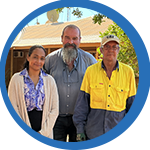
RJED jobs create lasting impact in remote Western Australia
In the community of Ardyaloon (One Arm Point) on the Dampier Peninsula in remote WA, two new roles created through the Remote Jobs and Economic Development (RJED) program are making a meaningful impact.
Jayarna Mills and Phillip Carter are now employed to contribute to their community’s operations and wellbeing.

Home ownership pathways for First Nations families
Karisa, a proud Bundjalung woman, and her partner Dylan have achieved a milestone that will resonate for generations: owning their first home through Indigenous Business Australia’s Indigenous Home Ownership Program. For Karisa, this is more than a financial achievement—it’s a significant milestone, as she is one of the first in her family to secure home ownership.
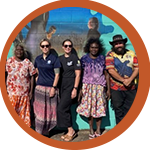
Culturally grounded justice on Groote Archipelago
The Anindilyakwa Peacemaker Program is reshaping community safety across the Groote Archipelago by placing cultural leadership at the heart of justice. Delivered by the Groote Archipelago Community Justice Group (CJG), this community-led initiative promotes healing, cohesion, and respect for traditional knowledge.
Supporting young people through culture and connection
Old Ways New Ways (OWNW) is reshaping youth justice in Western Australia by placing culture at the centre of support. Delivered by the Aboriginal Legal Service of Western Australia (ALSWA) with partners Wadjak Northside, Stephen Michael Foundation, and Hope Community Services, the program aims to reduce the overrepresentation of First Nations children in the justice system through culturally secure, holistic interventions.
Girringun Rangers: Cultural knowledge driving biosecurity
In Cardwell, Queensland, the Girringun Rangers are a vital part of the Indigenous Ranger Biosecurity Program (IRBP), a national initiative that strengthens Australia’s early detection system for exotic pests and diseases. Their work combines cultural knowledge with modern biosecurity practices to protect Country and sustain Australia’s agricultural and environmental industries.

Reclaiming Identity: The power of language learning
For Kaurna man Mark Catanzariti, learning the Kaurna language through Tauondi Aboriginal College’s accredited courses was more than education—it was a profound reconnection with culture, identity and purpose.
Alec and Bessie Baker – Back on Country
Alec and Angkuna (Bessie) Baker, respected Elders and artists from the APY Lands, are now living closer to family and Country thanks to support from Australian Regional and Remote Community Services (ARRCS) and the National Aboriginal and Torres Strait Islander Flexible Aged Care Program (NATSIFACP).
Other case studies
There are many other practical examples of community-lead positive initiatives being delivered:
- Supporting First Nations electoral inclusion
- Finding a positive path through parenthood
- Clearer vision for First Nations communities
- Murra Program: A pathway to purpose in the public service
- Self-determination at heart of student success
- Communities connected by the NBN Community Wi-Fi program
- Championing Indigenous success in education
- From home to higher education with Bush Study Hubs
2025 Commonwealth Partnership Stocktake
The annual Commonwealth partnership stocktake provides a key indicator of the Commonwealth’s progress on embedding Priority Reform One (formal partnerships and shared decision-making) under the National Agreement on Closing the Gap (National Agreement).
Related Websites
For more information about the National Agreement on Closing the Gap, Priority Reforms and Targets or for general information visit www.closingthegap.gov.au.
For more information on the Productivity Commission, including its three-yearly Review of the National Agreement on Closing the Gap, and the Closing the Gap data dashboard, visit www.pc.gov.au.
Read more about accountability and monitoring.
Related News